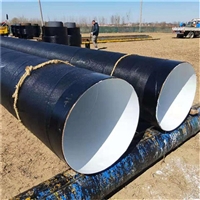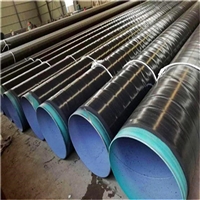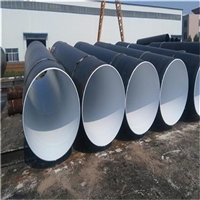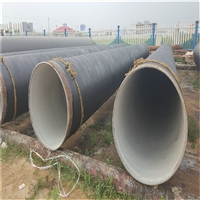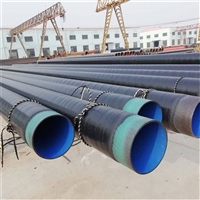


Epoxy powder anti-corrosion seamless steel pipe
Category:
building materials/Pipe fittings/seamless steel tube
Model:
dn60-3000mm
Brand:
Guanghui
Retail Price
4,500.00USD
重量
kg
- Product Description
-
Description :
Ordinary steel pipes, such as water pipes, are usually welded together by bending flat plates, and you can find a weld seam on top; Thicker diameters are generally spiral welds. Seamless steel pipes are generally formed by stacking molten steel through a circular slit and then subjecting it to stretching and other processing techniques, so that there are no welds. In terms of performance, especially in terms of pressure bearing capacity, it has greatly improved compared to ordinary steel pipes, so it is often used in high-pressure equipment. Such as pipeline connections of hydraulic equipment. The weld seam of ordinary steel pipes is their weak link, and the quality of the weld seam is also the main factor affecting their overall performance. People who have lived in the north have generally experienced water or heating pipes being frozen and burst in winter, usually at the weld seams. Welded pipes are not seamless steel pipes. Ordinary steel pipes, such as water pipes, are usually welded together by bending flat plates, and you can find a weld seam on top; Thicker diameters are generally spiral welds.

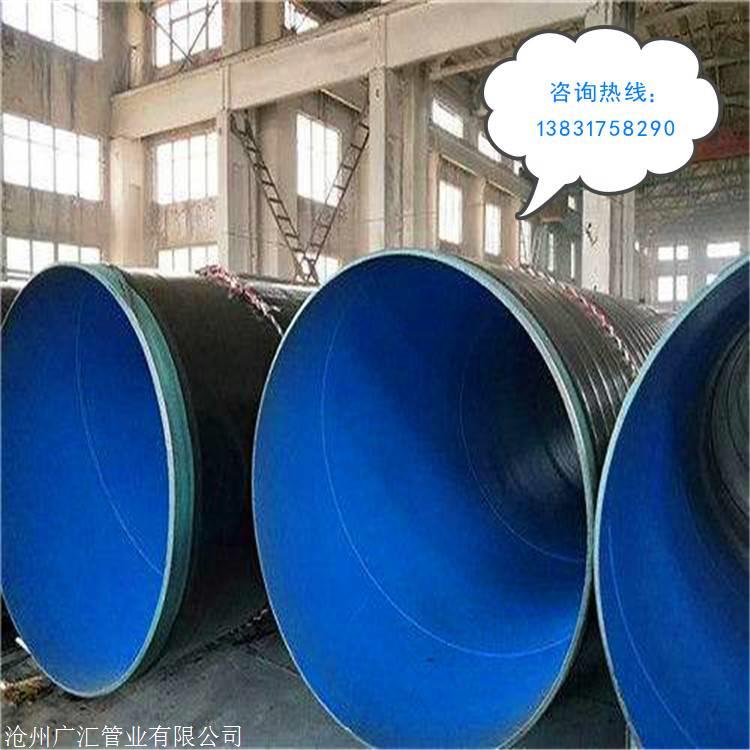
Quality Requirements for Seamless Steel Tubes 1. Quality Requirements for Seamless Steel Tubes 1.1. Chemical Composition Requirements for Harmful Chemical Elements As Sn Sb Bi Pb and Gas N H O Content. In order to improve the uniformity of chemical composition and purity of steel, reduce non-metallic inclusions in the billet and improve its distribution, external refining equipment is often used to refine the molten steel, and even electric slag furnaces are used to remelt and refine the billet. 1.2 Dimensional accuracy and shape: The geometric dimensions of seamless steel pipes mainly include the outer diameter, wall thickness, ellipticity, length, curvature, end face cutting angle, groove angle, and blunt edge of the pipe, as well as the cross-sectional dimensions of anisotropic steel pipes. 1.3 The surface quality standard specifies the requirement of "smooth surface" for seamless steel pipes. Common defects include cracks, hairlines, internal folds, external folds, crushing, internal straight paths, external straight paths, delamination, scarring, pits, bulges, pockmarks (rough surfaces), scratches (abrasions)
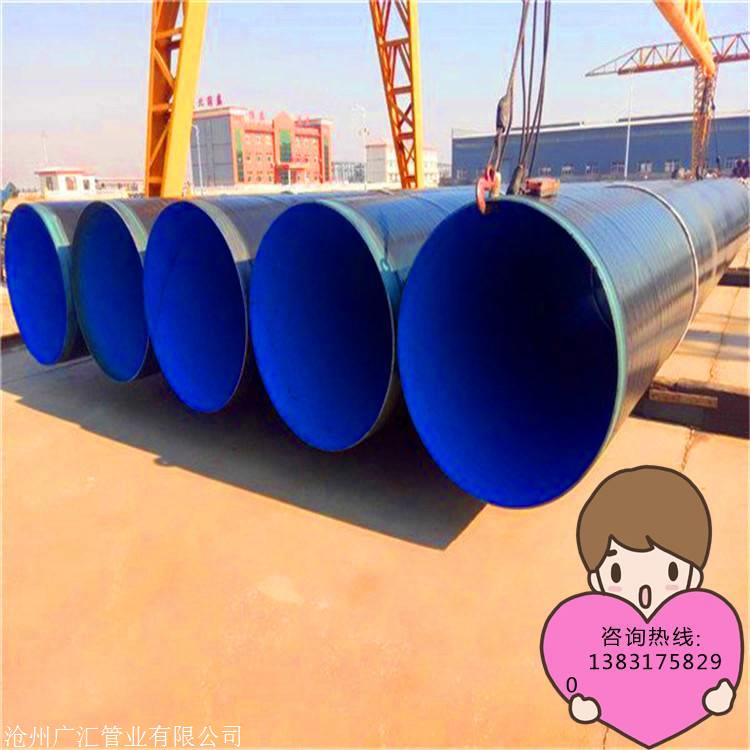
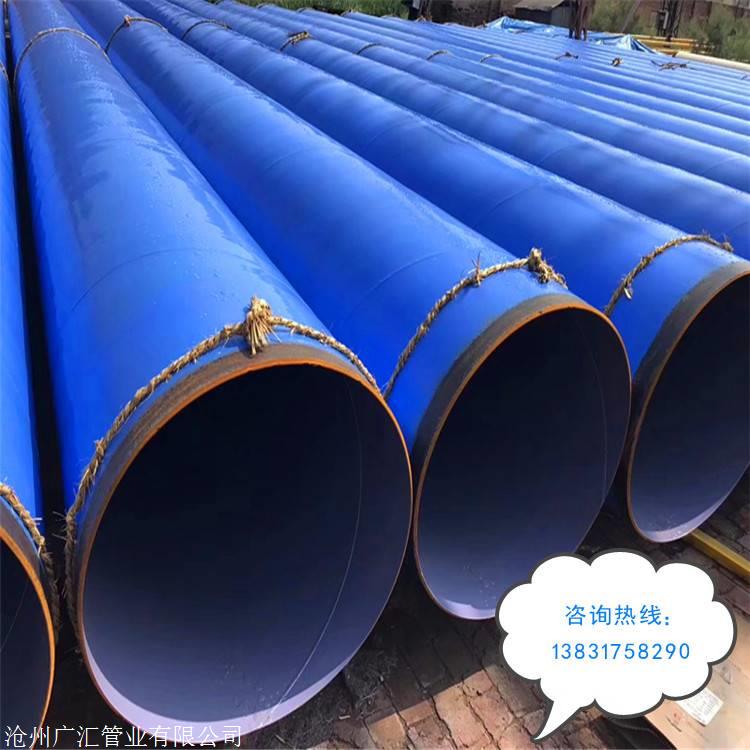
Internal spiral track, external spiral track, green line, straightening, roller printing, etc. Dangerous defects such as cracks, internal folds, external folds, crushing, delamination, scars, pits, and bulges; The rough surface, green lines, scratches, slight internal and external straight lines, slight internal and external spirals, straightening, and roller marks of steel pipes are general defects. 1.4. Physical and chemical properties include mechanical properties at room temperature, mechanical properties at a certain temperature (thermal strength and low-temperature performance), and corrosion resistance (such as oxidation resistance, water erosion resistance, acid alkali resistance, etc.). Generally, these properties depend on the chemical composition, structural properties, purity, and heat treatment method of the steel. In some cases, the rolling temperature and degree of deformation of steel pipes can also affect their performance. 1.5. Process performance includes the expansion, flattening, curling, bending, ring pulling, and welding performance of steel pipes.
AfterSalesService :
Key words:- Anti corrosion seamless steel pipe

More Products