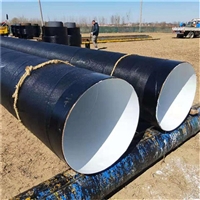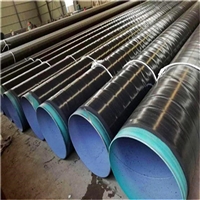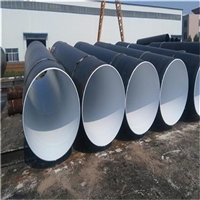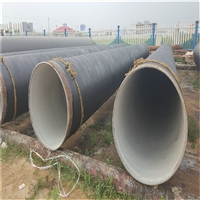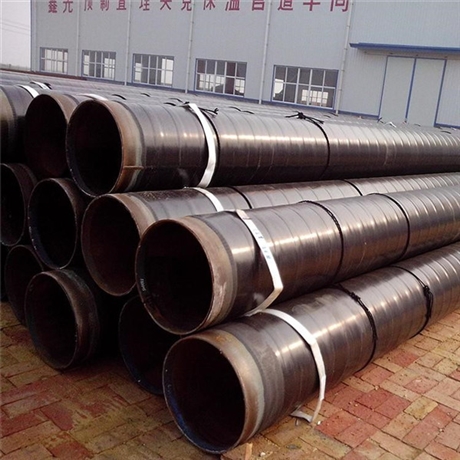

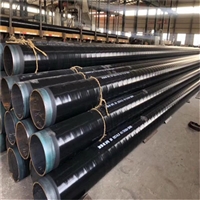
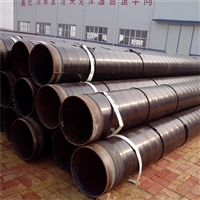


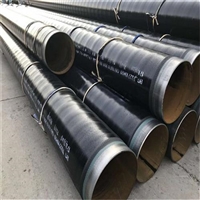

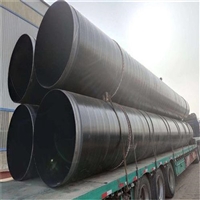
Three layer polyethylene anti-corrosion steel pipe manufacturer
Category:
metallurgy/tubing/Spiral tube
Model:
Brand:
Guanghui
Retail Price
3,650.00USD
重量
kg
- Product Description
-
Description :
The three-layer PE anti-corrosion coating is an ideal external protective layer for buried pipelines. According to authoritative testing, buried pipelines using 3PE anti-corrosion technology can have a long service life. Many people only know one thing about the use of 3PE anti-corrosion steel pipes, but they don't know the other. Its function is really broad, and it is suitable for underground water supply and drainage, underground spraying, positive and negative pressure ventilation, gas drainage, fire sprinkler and other pipe networks in coal mines. Thermal power plant process water waste residue and return water transportation pipeline. The water supply pipeline for anti spray and sprinkler systems has the applicability of Chengyuan. Cable protection sleeves for power, communication, highways, etc. Suitable for high-rise building water supply, heating network, water supply engineering, gas transmission, buried water transmission and other pipelines. Process pipelines for transporting corrosive media in industries such as petroleum transportation pipelines, chemical engineering, and printing and dyeing. Anti corrosion engineering for sewage treatment discharge pipes, sewage pipes, and biological tanks. For agricultural irrigation pipes, deep well pipes, drainage pipes and other network applications, it can be said that 3PE anti-corrosion steel pipes are essential in current construction, and we believe that with the extension of technology, they will have even more brilliant achievements in the future.

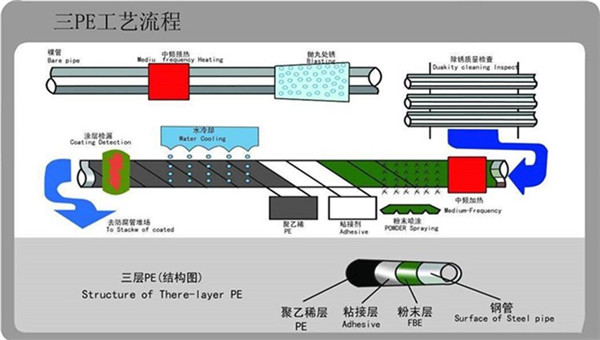
Internal wall epoxy resin anti-corrosion steel pipe material; After years of development, Made in China has established a highly competitive and comprehensive industrial system, and has surpassed the United States to become a world manufacturing powerhouse. The smoke and vapor generated during the process of wrapping three layers of PE for corrosion prevention contain toxic components. Epoxy coal tar coating has good anti-corrosion performance and moderate price. The curing time of the coating is relatively long, which brings great inconvenience to the construction. In addition, this type of coating is difficult to avoid pinholes, and is prone to cracking under low temperature conditions. The solvent components in the material are toxic. Epoxy powder coating has good physical and chemical indicators, mechanical properties, and fire resistance, but the coating is very thin and prone to mechanical damage during lifting, transportation, and stacking. Polyethylene coating. This is a corrosion-resistant coating with excellent mechanical properties, physical and chemical indicators, and durability, with a high cost performance ratio. Polyethylene coating has the advantages of high mechanical strength, good impact resistance, good durability, no pinholes, low cathodic protection current, good cathodic stripping performance, good acid and alkali resistance, low pollution, and a wide temperature range (-50~80 ℃). The cathodic protection shielding of the polyethylene layer will affect the protection effect of the cathode, and the hollowing phenomenon that occurs after the pipeline is put into operation will also affect the anti-corrosion effect, which is a problem that needs to be solved.
The medium conveying pipeline 3pe anti-corrosion steel pipe has a fast heat transfer speed, which can quickly cool the steel pipe and coating. At the same time, due to the cooling process of the anti-corrosion layer from the inside out, the adhesion between the anti-corrosion layer and the pipe wall is better during cooling shrinkage. The circumferential stress of the anti-corrosion layer is very small, and the thinning of the anti-corrosion layer on the weld bead is very small, thereby improving the anti-corrosion quality and reducing raw material costs. But this internal cooling method is difficult to implement. Introduction of 3PE anti-corrosion steel pipe manufacturers: Currently, the anti-corrosion coating of domestic long-distance oil and gas pipelines generally adopts 3LPE anti-corrosion When carrying out "dead end" or pipeline maintenance operations, it is necessary to remove the external anti-corrosion layer of the pipeline. The main removal methods currently used are acetylene flame grilling and manual knife peeling This method is time-consuming, inefficient, and the surface cleaning is not thorough, requiring manual grinding with a grinding wheel, which seriously affects the construction quality and progress Based on the basic working principle of mechanical polishing and drawing on the working method of pipeline anti-corrosion plant port polishing equipment, a portable pipe end polishing device has been developed through multiple experiments and improvements The polishing test shows that the developed polishing equipment has high polishing efficiency, good quality, thorough and clean removal of the anti-corrosion layer, and can replace the existing manual polishing method to meet engineering requirements. LPE=LayerPE, Generally, 2LPE or 3LPE is the main anti-corrosion method for engineering pipelines.

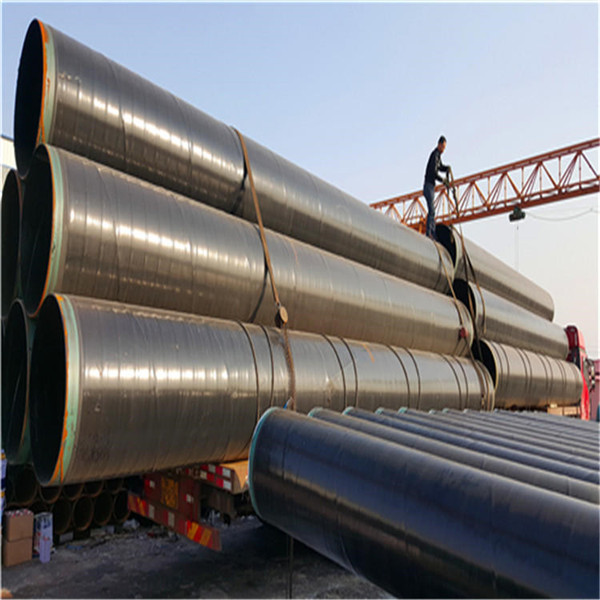


The smoke and vapor generated during the 3PE anti-corrosion process contain toxic components. Epoxy coal tar coating has good anti-corrosion performance and moderate price. The curing time of the coating is relatively long, which brings great inconvenience to the construction. In addition, this type of coating is difficult to avoid pinholes, and is prone to cracking under low temperature conditions. The solvent components in the material are toxic. Epoxy powder coating has good physical and chemical indicators, mechanical properties, and fire resistance, but the coating is very thin and prone to mechanical damage during lifting, transportation, and stacking. Polyethylene coating. This is a corrosion-resistant coating with excellent mechanical properties, physical and chemical indicators, and durability, with a high cost performance ratio. Polyethylene coating has the advantages of high mechanical strength, good impact resistance, good durability, no pinholes, low cathodic protection current, good cathodic stripping performance, good acid and alkali resistance, low pollution, and a wide temperature range (-50~80 ℃). The cathodic protection shielding of the polyethylene layer will affect the protection effect of the cathode, and the hollowing phenomenon that occurs after the pipeline is put into operation will also affect the anti-corrosion effect, which is a problem that needs to be solved.
The externally wrapped three-layer PE coated spiral steel pipe is economical and cost-effective, and the engineering cost is relatively low. When comparing the quality and service life of steel pipe products, the service life can form a reasonable proportion with the investment. In this way, compared with anti-corrosion pipelines, it is economical and applicable. Comparison of pipeline anti-corrosion coatings: Various anti-corrosion coatings should be analyzed based on their anti-corrosion performance, service life, construction efficiency, economic rationality, environmental pollution, lifting and stacking damage, and other factors to determine the quality of the coatings Petroleum asphalt. The anti-corrosion performance of the coating is good, but the coating is applied in a flowing state, so the quality of the coating is not guaranteed. Petroleum asphalt is sensitive to temperature, flowing when the temperature is high and becoming brittle when the temperature is low. Petroleum asphalt ages quickly, has poor durability, poor resistance to microbial corrosion, is easily penetrated by plant roots, and is also prone to damage during lifting and transportation. Therefore, the anti-corrosion effect of this coating is not ideal. Porcelain paint. It belongs to the asphalt coating category, with average anti-corrosion performance. It is prone to brittleness in low temperature environments and may crack. Obtained the national torch project for three-layer polyethylene anti-corrosion steel pipes.
The price of TPEP steel pipes is almost the same as that of single-layer polyethylene internal fusion bonded epoxy composite steel pipes, and the corrosion resistance is improved by 3-5 times. The inner wall of TPEP anti-corrosion steel pipes adopts thermal spraying epoxy powder anti-corrosion method, and the powder is uniformly coated on the surface of the pipe after high-temperature heating and fusion bonding. The product is suitable for pipeline transportation engineering under various conditions, which is a revolution for traditional pipeline products and a good choice to replace traditional products such as steel cylinder concrete pipes, ductile iron pipes, PE pipes, etc. The outer wall adopts 3PE anti-corrosion technology (3PE outer wall anti-corrosion technology is currently advanced and mature anti-corrosion technology), which is a three-layer structure of polyethylene outer wall anti-corrosion. It is widely used and has good anti-corrosion protection for steel pipes, with a long service life. There are many types of pipeline materials in the market, and spiral steel pipes are one of them. Compared with ordinary pipeline materials, spiral steel pipes have significant advantages. Therefore, this type of pipeline material is very popular in the market. Spiral steel pipes are widely used, which is also a significant advantage of seamless steel pipes. In China, the production scale of seamless steel pipes is constantly expanding, and the production of spiral steel pipes is also increasing. Efficiency has also been comprehensively improved.
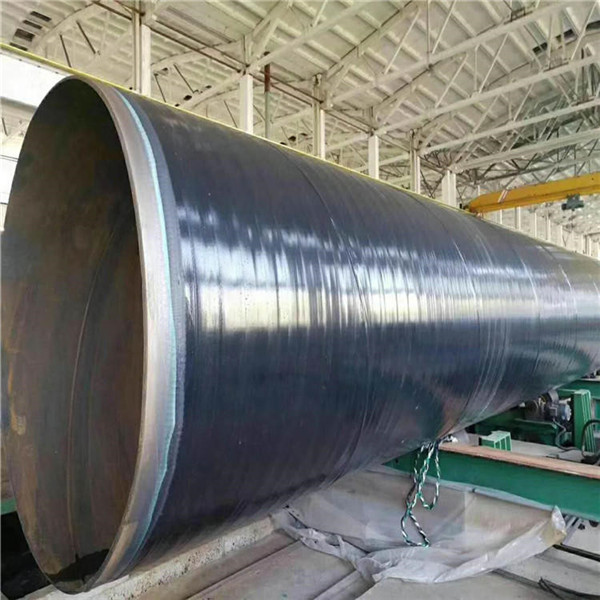

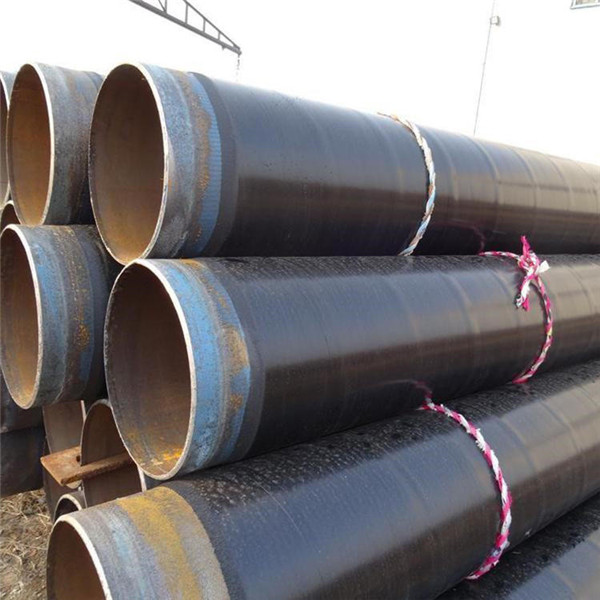
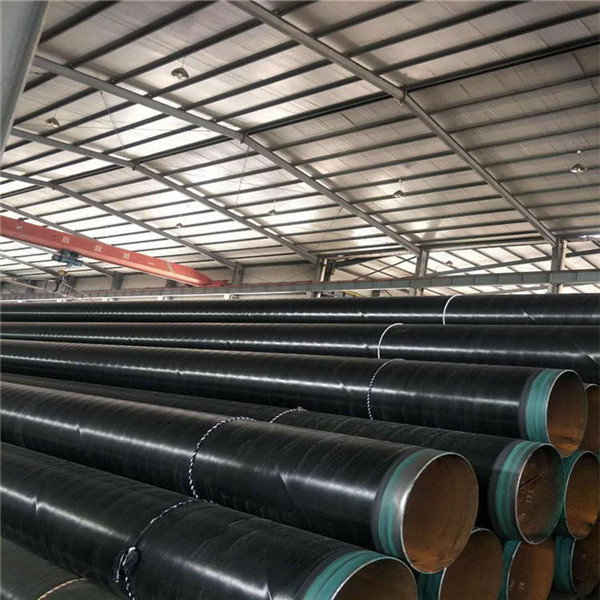
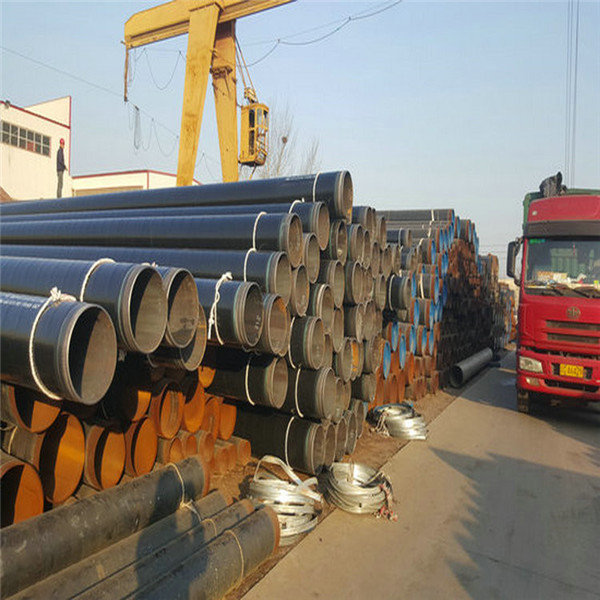

The main straight pipe of thick walled anti-corrosion straight seam steel pipe is prefabricated with anti-corrosion coating in the factory, reserved with joint filling section, and then welded on site, and then repaired with heat shrink sleeve or heat shrink tape. For the bent pipe part, the current commonly used process is to use heat shrink wrapping tape for 3PE anti-corrosion of the same level. However, the disadvantage of this anti-corrosion process is that it cannot be mechanically assembled on the assembly line, and can only be manually wrapped, which is time-consuming and the material cost is also high. Moreover, the construction quality has a great impact on the quality of anti-corrosion, and quality control is difficult. At present, some design units have developed a new anti-corrosion process using double-layer epoxy and anti-corrosion tape. This process fully utilizes the excellent anti-corrosion performance of high-temperature fusion bonded epoxy powder, and can be sprayed mechanically. The cost of the added anti-corrosion tape is also relatively low. Since its formation, the externally wrapped anti-corrosion tape can serve as the external protective structure of the coating, effectively eliminating the defects of thin thickness, easy detachment and collision of the double-layer epoxy powder coating, and the failure of the anti-corrosion layer. In practical applications, the types of anti-corrosion tape can be selected from polyethylene anti-corrosion tape and polypropylene reinforced fiber anti-corrosion tape. The main daily use of high-frequency thick walled anti-corrosion straight seam steel pipes is due to the fact that the steel pipes are filled with concrete, which can absorb a large amount of heat energy. Therefore, the temperature distribution of the pipe column section during a fire is very uneven, which increases the fire resistance of the column and slows down the heating rate of the steel column. Moreover, once the steel column complies, the concrete can withstand most of the axial load and avoid layout collapse. The fire resistance of composite beams will also be improved, as the temperature of the steel beams will be reduced by transferring heat from the top flange to the concrete. Both domestically and internationally, epoxy resin anti-corrosion steel pipes and base pipes are galvanized steel pipes. However, it was later discovered that the inner wall galvanized layer has no benefit in improving the adhesion of the inner coating, but rather has an impact. At the same time, it increases the cost of the galvanizing process. In order to improve the adhesion of the inner coating, a zinc removal process is also used for the inner galvanizing of galvanized steel pipes, which once again increases costs and causes energy waste. Therefore, there are also cases where welded steel pipes are directly coated. The epoxy resin coated steel pipe base pipe should be sandblasted before plastic coating to remove rust, oil stains, and galvanized layers on the metal surface, which is generally referred to as surface pretreatment.
AfterSalesService :
Key words:- Polyethylene anti-corrosion steel pipe
More Products