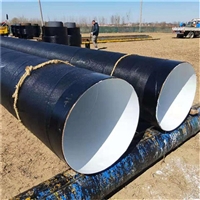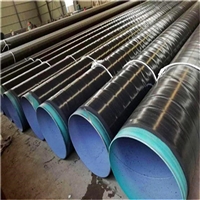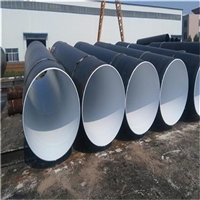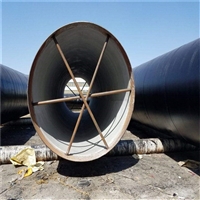
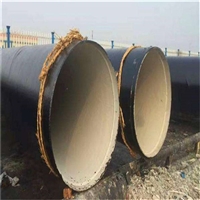
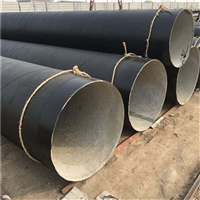


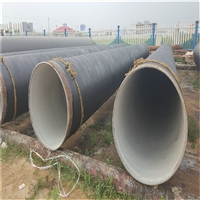

Cement mortar anti-corrosion steel pipe manufacturer for water transmission
Category:
metallurgy/tubing/Spiral tube
Model:
Brand:
Guanghui Pipe Industry
Retail Price
60.00USD
重量
kg
- Product Description
-
Description :
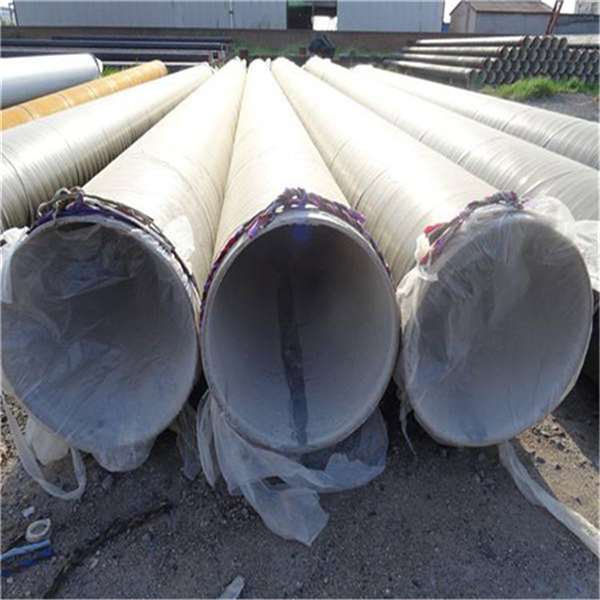
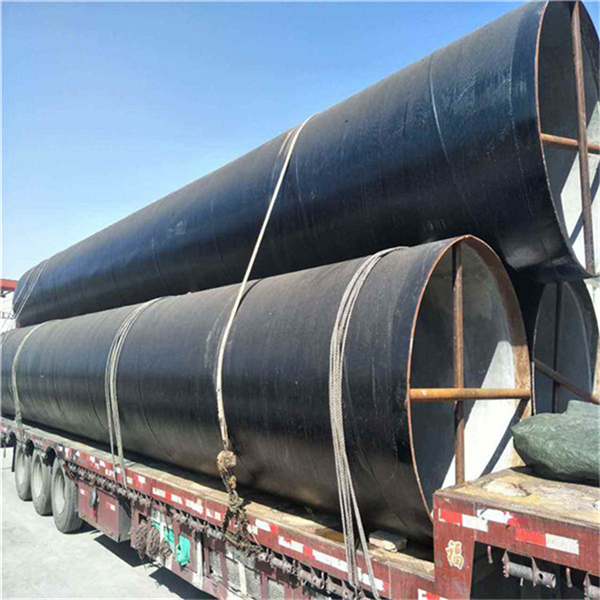
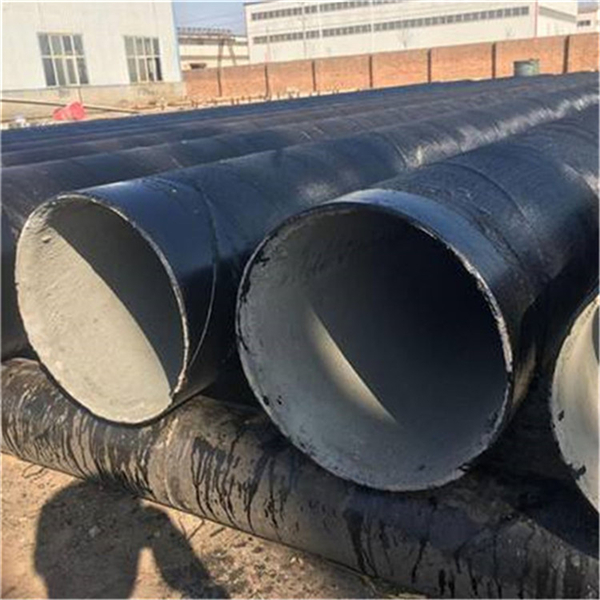
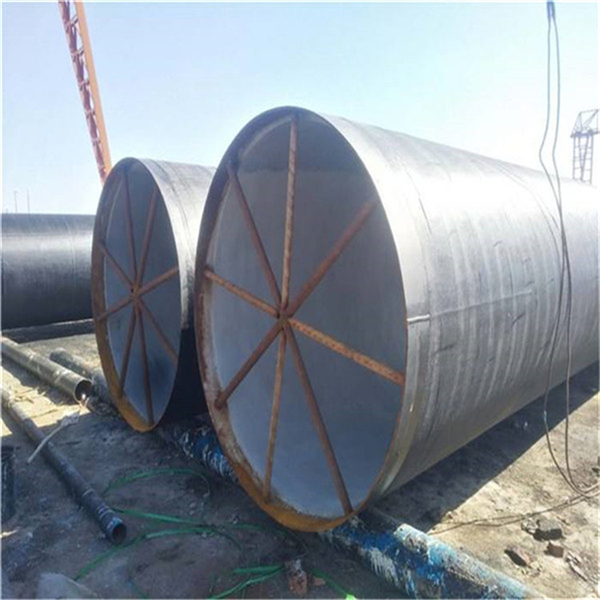
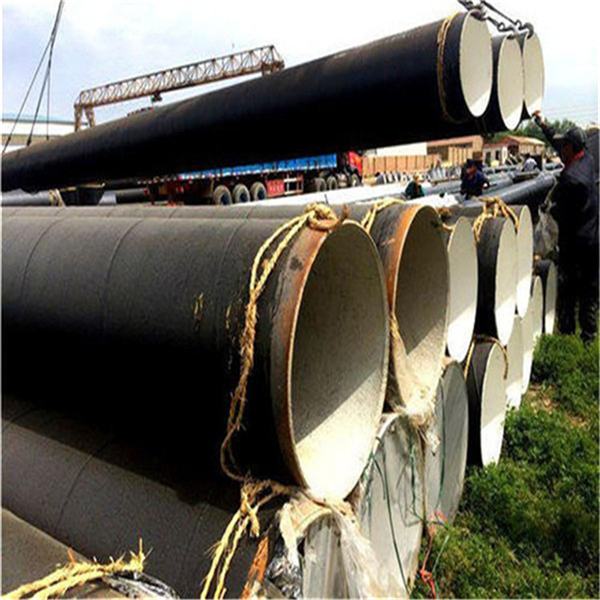
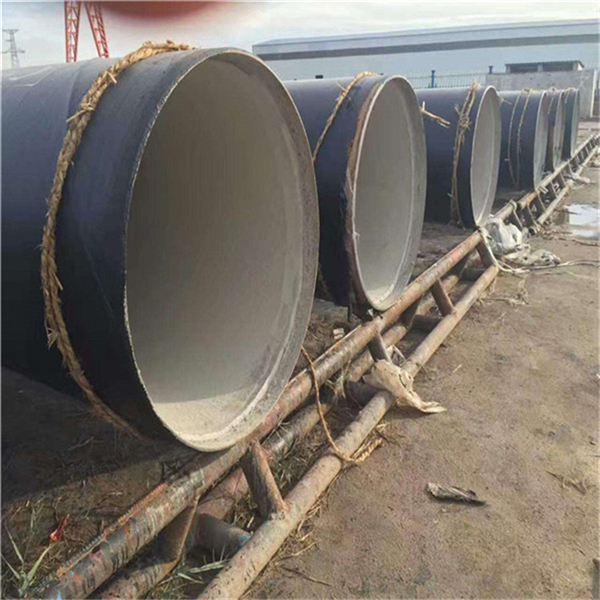
Hebei News recently learned that Cangzhou Guanghui Pipe Industry Co., Ltd. is a large manufacturer of DN630 * 10 spiral steel pipes lined with cement mortar for corrosion prevention in Hebei Province. It produces a large amount of supply: cement mortar anti-corrosion spiral steel pipes, cement mortar lined anti-corrosion steel pipes, lined with cement spiral steel pipes, tap water anti-corrosion steel pipe manufacturers, drinking water transmission anti-corrosion steel pipes, non-toxic water supply pipeline anti-corrosion, large-diameter water supply pipeline internal and external anti-corrosion, three oil and two cloth anti-corrosion steel pipes, non-toxic epoxy resin inner wall anti-corrosion steel pipes, etc. Cangzhou Chengyuan Pipe Industry has been rated as a "scientific and advanced information management demonstration enterprise" by Hebei Province, laying a solid foundation for the further development of the enterprise.
Municipal engineering: applicable to high-rise building water supply, heating network, water supply engineering, gas transportation, petroleum: process pipelines for transporting corrosive media in industries such as petroleum transportation pipelines and printing and dyeing. Sewage treatment: Sewage treatment discharge pipes, sewage pipes, and biological pool anti-corrosion engineering Agriculture: Agricultural irrigation pipes, deep well pipes, drainage pipes, and other networks are filled with concrete inside the steel pipes, which can absorb a large amount of heat energy. Therefore, when subjected to a fire, the temperature distribution of the pipe column section is very uneven, which increases the fire resistance time of the column, slows down the heating rate of the steel column, and once the steel column yields, the concrete can bear most of the axial load, preventing structural collapse. The fire resistance of composite beams will also be improved, as the temperature of the steel beams will be reduced by transferring heat from the top flange to the concrete. Experimental statistical data shows that meeting the requirement of a first level fire resistance of 3 hours can save 1/3 to 2/3 or even more fireproof coatings compared to steel columns. As the diameter of the steel pipe increases, more coatings are saved. Cement mortar anti-corrosion pipes have high bearing capacity, good ductility, and superior seismic performance. When in use, additives such as micro foaming agents and waterproof powders are often added to improve their workability and viscosity.
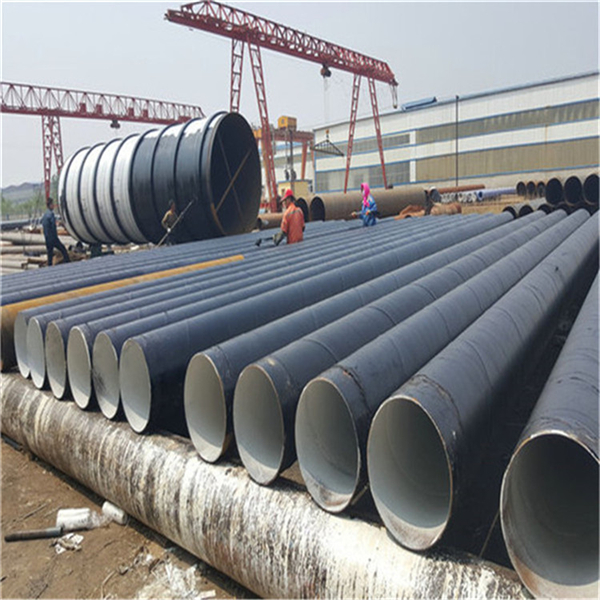


The conventional price for anti-corrosion steel pipes lined with cement mortar is to cut a 2-meter-long section from a pipe with a diameter of 100mm and a wall thickness of 8.7mm, and apply a uniform load on the section to prevent cracks when flattened to 3% of the pipe diameter. Pressurize with water to 15KG/CM2, then depressurize and repeat 100 times. Compared with before the experiment, no cracks or peeling occurred. On the contrary, there is a tendency for the crack width to be slightly smaller. Safety Technical Disclosure for Anti corrosion Construction of Steel Pipe Cement Mortar: 1. When the pipeline of the cement mortar spraying machine malfunctions, it must be immediately shut down, powered off, and depressurized before handling. When leaving work or interrupting homework, measures must be taken at the entrance and exit of pipelines to prevent pedestrians from falling and ensure driving safety. When curing the cement mortar for internal anti-corrosion during on-site construction, the wellhead on the pipeline must be securely covered, and the pit must be enclosed and marked with safety signs. After the anti-corrosion operation inside the pipeline is completed, the commanding personnel should immediately count the number of workers and confirm that all personnel inside the pipeline have withdrawn before leaving the site. 5. During homework, it must be directed by the homework team leader. Ground entrances and exits should be monitored by dedicated personnel and safety signs should be set up. Contact should be maintained between the inside and outside of the management, and coordination should be consistent. When carrying out on-site cement mortar anti-corrosion operations inside the pipeline, the pipeline must be well ventilated; Before entering the pipeline for work, the manhole cover must be opened for ventilation. Before entering, it is necessary to first detect the concentration of oxygen, toxic and harmful gases in the internal air, and confirm that the concentration of oxygen and toxic and harmful gases in the air is qualified before entering the operation; If the homework is not entered immediately, it should be retested, confirmed as qualified, and recorded before entering again; Dynamic monitoring of the air quality in the work environment is necessary during homework.
Given the above advantages of cement mortar, its anti-corrosion function and economy are increasingly recognized by engineering and technical departments. Large and medium-sized cities in China are promoting the use of cement mortar as the main anti-corrosion point for water supply metal pipelines. We have also developed specifications and quality standards for cement mortar lining for this purpose. The main function of lined cement mortar anti-corrosion steel pipes and the anti-corrosion industry is the application of cement mortar lined anti-corrosion steel pipes, which are mainly used for steel pipe anti-corrosion. The main function of lined cement mortar anti-corrosion steel pipes and the anti-corrosion industry is to use them for steel pipe anti-corrosion. The main manifestation of the product is the application of cement mortar lined anti-corrosion steel pipes, which are made of cement mortar lining. It is understood that the decision on pipeline standards led by Chinese enterprises for anti-corrosion steel pipes with cement mortar lining was made by the Pipeline Transport System Subcommittee of the Materials and Equipment and Offshore Structure Technology Committee of the Standardization Organization at its 33rd annual meeting held in Xi'an in April 2013. At the meeting, the pipeline company proposed the establishment of the "Pipeline Integrity Management Standard" and suggested adding a section on ocean pipeline integrity management to the standard, as well as absorbing existing integrity management standards from various countries. This proposal was recognized by representatives from participating countries and was considered to have "significant application value".
Introduction to the production process of large-diameter straight seam steel pipes: 1) Plate probing: After the steel plate used to manufacture large-diameter submerged arc welded straight seam steel pipes enters the production line, it first undergoes full plate ultrasonic inspection; 2) Edge milling: Double sided milling is performed on the two edges of the steel plate using an edge milling machine to achieve the required plate width, plate edge parallelism, and groove shape; 3) Pre bending edge: using a pre bending machine to pre bend the edge of the board, so that the board edge has a curvature that meets the requirements; 4) Forming: On the JCO forming machine, first, half of the pre bent steel plate is subjected to multiple step stamping to be pressed into a "J" shape, and then the other half of the steel plate is similarly bent and pressed into a "C" shape to form an open "O" shape. 5) Pre welding: The formed straight seam welded steel pipe is welded together and continuously welded using gas shielded welding (MAG); 6) Internal welding: longitudinal multi wire submerged arc welding (often four wire) is used to weld on the inner side of the straight seam steel pipe; 7) External welding: longitudinal multi wire submerged arc welding is used to weld on the outer side of the straight seam submerged arc welded steel pipe; 8) Ultrasonic Inspection I: Inspection of the inner and outer welds of straight seam welded steel pipes, as well as the base materials on both sides of the welds; 9) X-ray inspection I: X-ray industrial television inspection of internal and external welds, using an image processing system to ensure the sensitivity of the flaw detection; 10) Diameter expansion: Expand the entire length of the submerged arc welded straight seam steel pipe to improve its dimensional accuracy and improve the distribution of internal stress in the steel pipe; 11) Water pressure test: The expanded steel pipes are inspected one by one on a water pressure testing machine to ensure that they meet the standard test pressure requirements. The machine has automatic recording and storage functions; 12) Chamfering: Process the qualified steel pipes at the pipe ends to achieve the required pipe end groove size; 13) Ultrasonic Inspection II: Perform ultrasonic inspection on each straight seam welded steel pipe again to check for possible defects that may occur after diameter expansion and water pressure; 14) X-ray Inspection II: Conduct X-ray industrial television inspection and tube end weld photography on steel pipes after expansion and hydrostatic testing; 15) Magnetic particle inspection of pipe ends: This inspection is conducted to discover defects in the pipe ends; 16) Anti corrosion and coating: Qualified steel pipes are subjected to anti-corrosion and coating according to user requirements.
AfterSalesService :
Key words:- Cement mortar anti-corrosion steel pipe
More Products