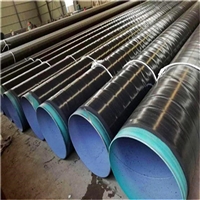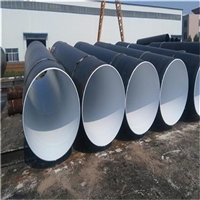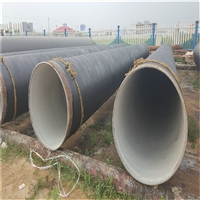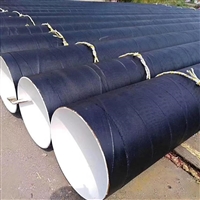
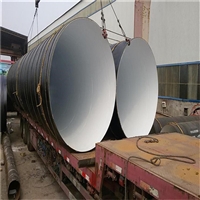


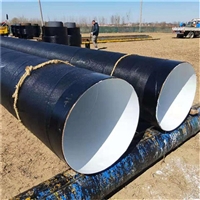


Manufacturer of IPN8710 anti-corrosion steel pipe for drinking water, epoxy coal tar anti-corrosion spiral steel pipe
Category:
metallurgy/tubing/Spiral tube
Model:
Brand:
Guanghui
Retail Price
3,980.00USD
重量
kg
- Product Description
-
Description :
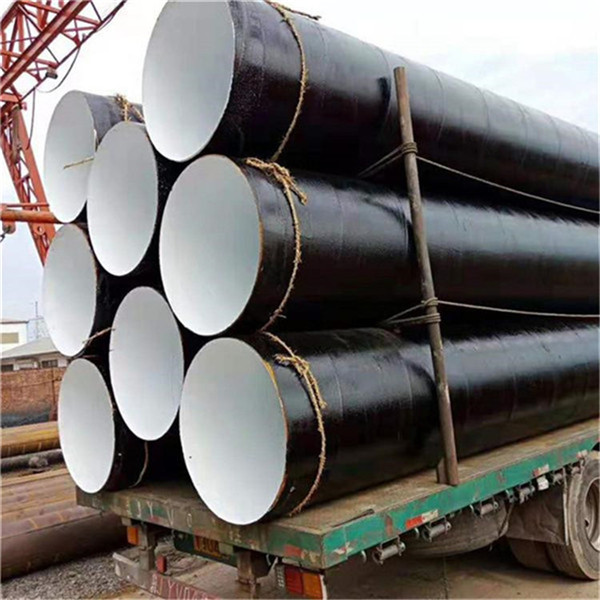
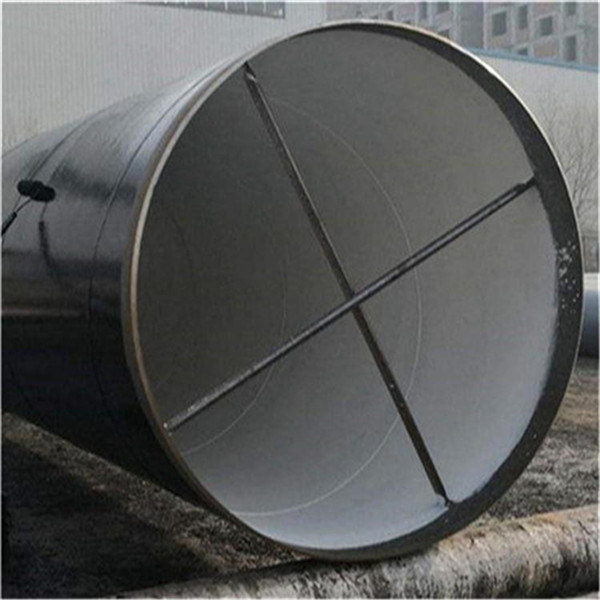
IPN8710 Non toxic Drinking Water Pipeline Anti corrosion Steel Pipe Overview: There are many types of corrosive media in the water supply pipeline, including acid, alkali, salt, oxidant, and water vapor. The coating must have chemical inertness, acid and alkali salt corrosion resistance, and the coating should have a dense structure, good waterproof permeability, strong adhesion, and full toughness IPN8710 Primer: Composed of polyurethane polyethylene, modified epoxy resin, non-toxic anti rust pigments and fillers, additives, etc., it solidifies at room temperature to form an interpenetrating network. The coating structure is dense, resistant to acid, alkali, and salt, with excellent anti rust performance and strong adhesion.




Construction process of IPN8710 series anti-corrosion coating:
1. Corrosion prevention mechanism with rust: When the two monomers of IPN are mixed in proportion, a reaction occurs immediately. At the beginning, the viscosity of the mixture is very low, and its penetration rate is fast. It can directly penetrate to the surface of the steel and separate the rust body from the steel surface, then surround it. As the reaction time increases, the mixture gradually solidifies to form an IPN mesh film, which adheres to the surface of the steel and rejects the progress of rust.
2. The pre-treatment of anti-corrosion parts eliminates oil stains, dust, welding slag, oxide scale, and loose rust on the surface of anti-corrosion parts, keeping the surface of anti-corrosion parts dry and free of stains.
3. Paint preparation: The amount of paint should be estimated, mixed in proportion, thoroughly stirred, and used up within the specified time
4. Spray anti-corrosion parts should not be sprayed less than three times, divided into three situations according to the anti-corrosion level: (1) Ordinary anti-corrosion construction: first apply two layers of primer (colorless), and then apply two layers of topcoat. (2) Strengthen anti-corrosion construction: First apply a layer of primer (colorless), then wrap a layer of degreased fiberglass cloth, while brushing a layer of topcoat, and spray the second layer of topcoat. (3) Strengthen anti-corrosion construction: First apply a layer of primer (colorless), then wrap a layer of degreased glass fiber cloth and apply a topcoat, then wrap a layer of degreased glass fiber cloth and apply a topcoat, and finally spray the third topcoat. Mechanical spraying or manual painting can be used for the construction of various anti-corrosion levels mentioned above.
IPN8710 interpenetrating network heavy-duty anti-corrosion coating is a two-component coating, with Group A base material: resin, initiator; Group B base materials: active monomers, catalysts. When group A and group B are mixed in equal quantities, the three networks interpenetrate at the molecular level to form an interpenetrating polymer network (IPN) structure, producing a synergistic effect. The coating forming network has strong adhesion, good flexibility, and resistance to corrosive media such as acid, alkali, and salt. Further improving the toughness, strength, adhesion, kang permeability, and chemical inertness of the coating, the coating has better performance. By forming IPN to improve the properties of polymers, it is a new type of polymer blending technology.?? Since the production of IPN8710 interpenetrating network coating in China in 1987, different resins and pigments have been used for technological improvement to resist different corrosive media. Special coatings have been developed for water pipeline anti-corrosion coating, chemical atmospheric anti-corrosion coating, gas cabinet, pipe anti-corrosion coating, oil storage tank, oil pipeline anti-corrosion coating, etc. The comprehensive performance of this series of coatings is as follows: 1. Simple surface treatment; 2. Excellent anti-corrosion performance; 3. The performance price ratio is reasonable.
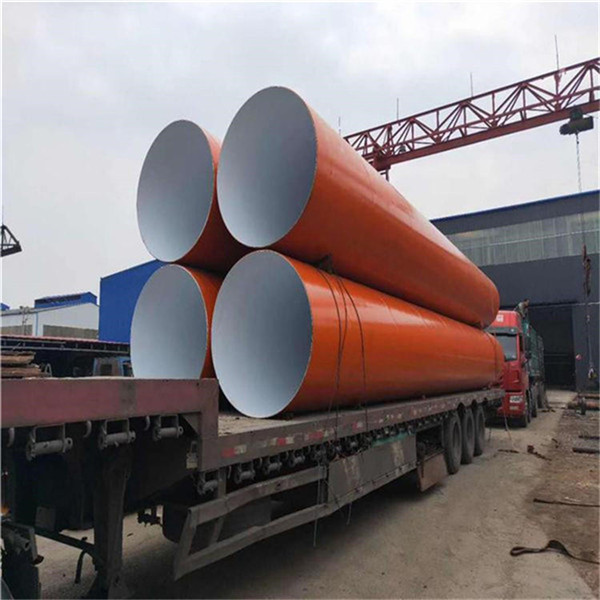
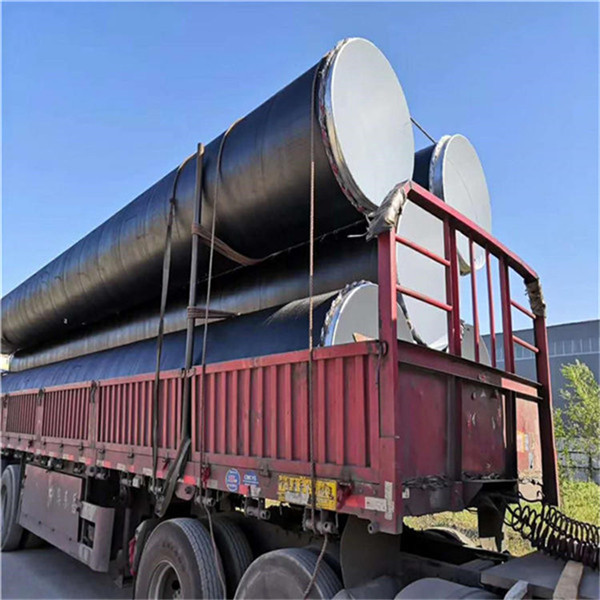
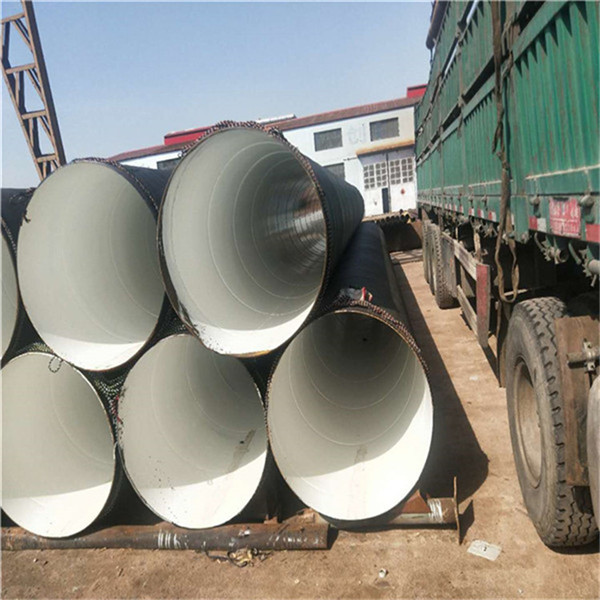
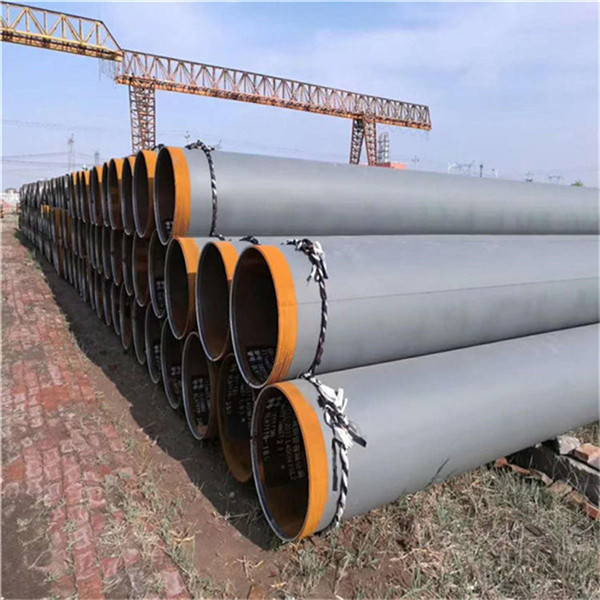

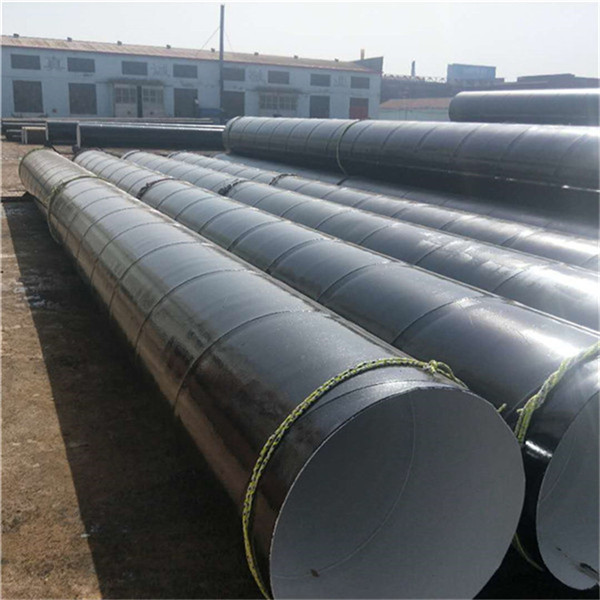
External anti-corrosion of pipelines; Epoxy coal tar anti-corrosion coating is composed of two main components: epoxy and coal tar. It is a two-component coating of A (epoxy) and B (curing agent), which has excellent adhesion, toughness, moisture resistance, water resistance, and chemical resistance. It has the performance of preventing various ions from passing through the paint film and has the characteristics of expansion and contraction with the coated object. The paint film never falls off or cracks. Thickness of 0.5-1.0mm. Epoxy coal tar is a cost-effective form of anti-corrosion, and engineering tests have shown that using epoxy coal tar combined with cathodic protection. Oil and gas pipelines have been used for 20 years without any corrosion.
This coating is widely used for anti-corrosion and leakage prevention of underwater steel structures and cement components, as well as protection of underground pipelines and lower water tanks of gas storage cabinets; Corrosion prevention of various machinery in coastal and salt fields in high-temperature areas; Corrosion prevention of the inner and outer walls of chemical and other pipelines. This paint has the advantages of excellent water and corrosion resistance of coal tar pitch, good adhesion of epoxy resin paint, tough paint film, high mechanical strength, and good chemical corrosion resistance. Effective anti rust paint pigments are added to the primer. Salt spray resistance for over 1000 hours; Resistant to moisture and heat for over 1000 hours. The components are epoxy coal tar primer and topcoat, both of which are mainly composed of epoxy resin and coal tar as film-forming materials, and are made by adding various anti rust pigments, insulating fillers, toughening agents, leveling agents, diluents, anti settling agents, etc. The B component is a modified amine curing agent or a curing agent as the main material, and is made by adding pigments and fillers. When this product is sold, components A and B are supplied together. During construction, they are mixed in proportion and mixed evenly before being used up within the specified time.
AfterSalesService :
Key words:- Internal and external anti-corrosion steel pipes
More Products