


Strict quality inspection for the specifications of crossbeam shelves
Category:
Transportation/Warehousing equipment/Shelves
Model:
Brand:
Hengya shelves
Retail Price
1,850.00USD
重量
kg
- Product Description
-
Description :
Characteristics of crossbeam shelves
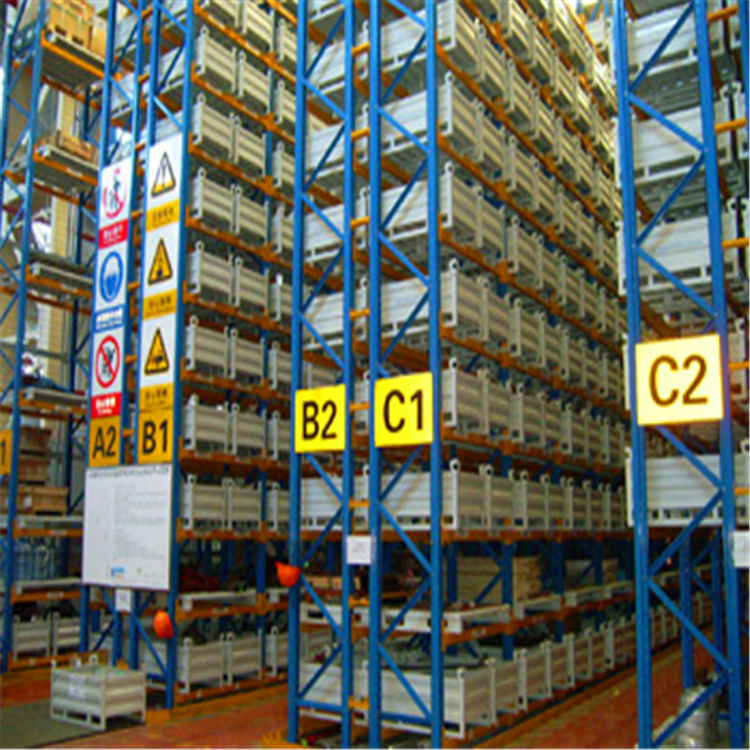
1. The beam type shelf structure is simple, safe and reliable, and can be adjusted and combined freely. It is not limited by the order of items in and out of the warehouse. Widely used in storage modes such as pallet storage and forklift access.
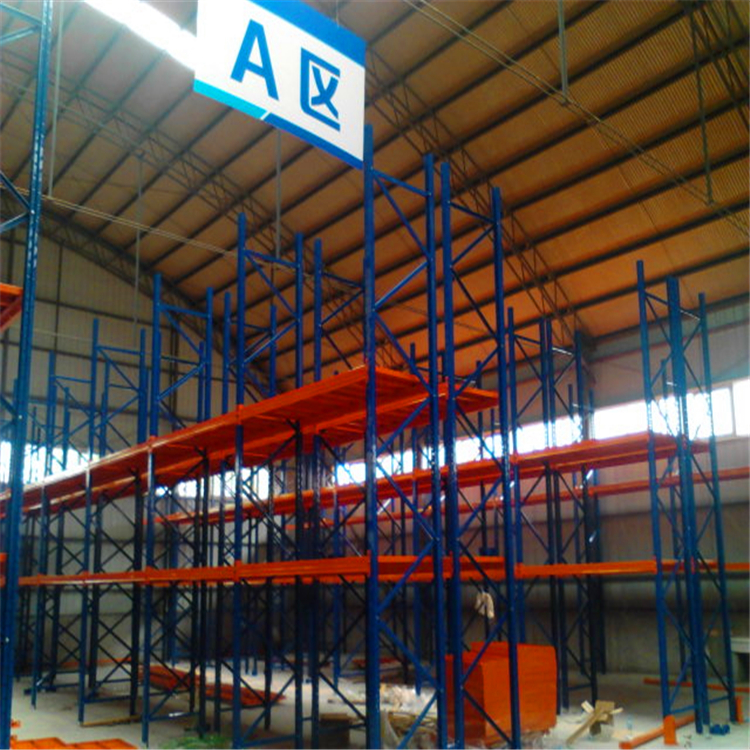
2. The post piece of the cross beam rack is composed of the post, cross brace and slant support connected by bolts. The shelf frame is composed of column pieces and C-shaped welded beams, which are fixed with safety pins and have a simple and reliable structure. Each layer can be freely adjusted up and down with a step distance of 75mm or 50mm.
3. The beam type shelf can determine the layer load requirements according to the size of the columns and beams, and has the characteristics of large moment of inertia, strong layer load capacity, and strong impact resistance. The maximum layer load per layer can reach 5000kg under relative design.
4. The height of a single column in a crossbeam style shelf can reach up to 12 meters, and the plasticity of a pallet shelf is very large. Based on the pallet shelf, mold shelves, attic shelves, three-dimensional warehouse shelves, etc. can be built, and special oil barrel shelves can also be made.
5. Cross beam shelves can effectively increase the storage height of the warehouse and improve the space utilization rate of the warehouse. Suitable for storing various types of goods.
6. The crossbeam style shelf has a safer appearance and can prevent forklift collisions by adding column foot guards and anti-collision bars. For safer layer loading, auxiliary facilities such as beam supports, shelves, and mesh spans can also be installed on the beams.
7. Beam type shelves are low-cost, easy to install and operate, easy to locate, and suitable for any handling tool, making them a widely used type of shelf.
8. Cross beam shelves can also be equipped with layer boards, which can be steel plates, dense ammonia plates, or mesh grilles. In order to use trays of different sizes.

Cross beam shelving is a common type of storage shelving, with a load-bearing capacity of over 500kg per layer called a cross beam shelving. The fully assembled structure in the form of columns and beams is concise and effective. Functional accessories such as partitions, steel laminates (wooden laminates), wire mesh layers, storage cage guides, oil drum racks, etc. can be installed according to the characteristics of the storage unit container equipment. Satisfy the storage of goods in different unit container equipment forms.

Cross beam shelving is one of the commonly used types of storage shelving. In the structure of the shelving, the bi-directional cross beam is one of the main components, which places goods on the cross beam and carries the main weight.
On the crossbeam of the shelf, units formed by pallets are used as storage positions, so this type of shelf is also called a storage position type shelf. The crossbeam type shelf (storage rack) is welded together with two column clamps and crossbeam rods. The crossbeam is made of two specially designed lap welded beams, which double the thickness of the upper and lower parts of the crossbeam. The main body of the crossbeam shelf is composed of shelf columns and crossbeams, with a simple and clear structure that can freely adjust the height of each layer in multiples of 75mm. It has strong load-bearing capacity and the ability to pick goods. It is widely used in industries such as electronics, home appliances, communications, computers, instruments, household appliances, clothing, automobiles, tires, supermarkets, etc.
A、 Post piece: cross beam rack (storage rack) is composed of two posts, cross braces and slant support connected by nylon self-locking bolts. The combined structure effectively prevents the rack from losing stability after the bolts are loosened. There are double rows of rhomboid holes punched on the posts with a pitch of 75mm. Therefore, the cross beam can be freely adjusted up and down in 75mm when it is attached to the posts. The cross-section of the column is composed of 11-13 faces, with a large inertia distance, strong bearing capacity, and strong impact resistance. The crossbeam type shelf column adopts automatic punching and cold bending forming technology to avoid the possibility of cracking and failure due to stress concentration in the column.
B、 Beam: The beam type shelf (storage rack) is welded together with two column clamps and beam rods, using two specially designed lap welded beams to double the thickness of the upper and lower parts of the beam. This structure, based on steel structure design theory, fully utilizes the material's load-bearing capacity and has the characteristics of light weight, strong load-bearing capacity, and low cost. The connection between the crossbeam and the column is equipped with a specially designed safety pin with ear tabs. The safety pin with ear tabs cannot be easily pulled out, ensuring that the crossbeam will not fall off after external impact.

Beam shelves are essential storage devices in warehouses, with simple structures and easy disassembly and installation, and are highly favored by factories and enterprises for procurement. However, it is not uncommon for shelves to bend and deform. What are the reasons for this? What should I do if the shelf bends and deforms?
1. Use defective raw materials. Some unscrupulous merchants use defective steel to process and produce shelves in order to save costs. Although the thickness and size are the same, its load-bearing capacity cannot meet the requirements. Perhaps no problems can be seen in the short term, but after a period of use, the problems will be exposed, generally manifested as bending and deformation of the shelves, and in severe cases, they may even break.
2. The production process is not detailed enough. Some shelf manufacturers are not rigorous in every aspect of production, and a small detail that is not handled properly may also cause bending and deformation of the shelves. For example, if the size of the cutting and punching is not correct, pulling and pulling during installation may cause the shelves to tilt. Storing goods in such a situation may result in uneven stress, causing bending and deformation of the shelves, and even the breakage of shelf shelves and columns.
3. The goods were not stored with the required load-bearing capacity. After the design of each shelf, the shelf manufacturer will calibrate the load-bearing range of the shelf. If the actual storage of goods exceeds the maximum load-bearing capacity of the shelf or violates the principle of safe use of the shelf, it may cause the shelf to bend and deform.
4. Forklifts have collided multiple times. In some large shelving warehouses, it is normal for forklifts to transport palletized goods. However, due to the carelessness of forklift drivers, even if the shelves have been properly equipped with anti-collision pillars and protective barriers, collisions between forklifts and shelves cannot be avoided. Quality shelves may not bend or deform in the short term, but over time, they will certainly experience bending and deformation.
AfterSalesService :
Key words:- Specification of crossbeam shelving
More Products